Dazard Free Play: Demo Mode and Practice Rounds
Dazard free play loads a game with virtual credits so you can see how it behaves before staking anything. The maths is identical to the real-money build — same RNG, same RTP, same volatility — which makes demo mode genuinely useful for evaluation. It is also frequently misused, and understanding the difference is what separates a useful test from a misleading one.

What exactly is free play?
When you open a title in demo mode the game client connects to the same provider server and runs the same certified build. The only difference is the credit type: your session is issued a virtual balance, usually 1,000 to 5,000 units, that resets whenever you reload. Every feature works. Free spin rounds trigger at the same frequency, multipliers apply the same way, and the paytable is unchanged. Nothing is staked and nothing can be won.
That distinction matters because demo mode is not a trial with a payout at the end. It is a simulator. Its value is informational — you are buying knowledge about a game's behaviour with your time instead of your money.
Which games support demo mode?
-
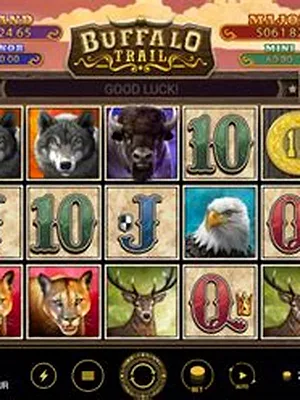
Buffalo Trail BGaming · RTP 96.4% -

Max Miner BGaming · RTP 96.2% -

Gates of Olympus Pragmatic Play · RTP 96.5% -

Big Bass Splash Pragmatic Play · RTP 96.7% -

Elvis Frog TrueWays BGaming · RTP 96.1% -

Sweet Bonanza Pragmatic Play · RTP 96.5% -
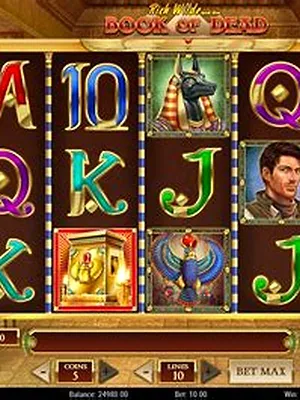
Book of Dead Play'n GO · RTP 96.2% -

Starburst NetEnt · RTP 96.1% -

Gonzo's Quest NetEnt · RTP 96.0% -

Sugar Rush Pragmatic Play · RTP 96.5%


| Category | Demo mode | Reason |
|---|---|---|
| Video slots | Yes | Self-contained RNG per session, nothing shared between players |
| Bonus buy slots | Yes | Feature purchase works with demo credits, which is the cheapest way to see the round |
| Instant games | Mostly | Crash and mines titles usually offer a practice mode; a few provably fair originals do not |
| RNG table games | Yes | Blackjack and roulette simulators run locally against the same paytables |
| Live dealer | No | One physical table serves all seated players — a demo seat would occupy a real one |
| Progressive jackpots | No | The prize pool is funded by real stakes, so a demo stake cannot participate |
| Tournaments | No | Leaderboard positions are calculated from wagered cash |
How do I use free play to evaluate a game?
Most players open a demo, spin twenty times at the maximum stake, see a big number, and conclude the game is generous. That tells you nothing. Here is a method that produces real information.
Set the demo stake to your real stake
If you would bet 0.40 with real money, bet 0.40 in demo. A 5.00 demo stake on a 1,000-credit balance is a different game entirely and will mislead you about survivability.
Play at least 200 spins
High-volatility slots can run 150 spins without a feature and still be performing exactly to specification. Below 200 spins you are sampling noise, not behaviour.
Count the feature triggers
Note how many times the free spin round landed. A trigger every 130 to 200 spins is normal for high volatility. If you cannot tolerate that dry spell financially, the game is wrong for your bankroll regardless of its RTP.
Record the deepest drawdown
Track the largest peak-to-trough fall in credits. That number, scaled to your real stake, is the bankroll the game actually demands. It is almost always larger than players expect.
Where does free play mislead?
The honest limitation of demo mode is behavioural, not technical. With virtual credits people bet larger, chase losses further and play longer than they would with their own money, because the feedback loop that normally applies the brakes is absent. A demo session that "went well" often reflects a stake size and risk tolerance you would never actually use.
There is also a persistent myth that demo builds are tuned to pay more generously than the real-money version, as a hook. In licensed content this is not the case: providers submit one build for certification and serve that build in both modes, and a divergence would be a certification breach with regulatory consequences far outweighing any conversion gain. The reason demo sessions feel luckier is selection bias — you remember the ones that went well.
Use demo mode for: learning a paytable, seeing what a feature round looks like, measuring trigger frequency and drawdown. Do not use it for: predicting real-money outcomes or deciding a game is "due".
Related pages
- GamesRTP and volatility table
- Play OnlineReal-money setup
- BonusFree spins vs demo spins
- DownloadDemo mode on mobile
Frequently Asked Questions
What is Dazard free play?
Free play is demo mode: the game loads with virtual credits instead of your balance, so every feature, bonus round and payline behaves exactly as it does for real money but nothing is staked and nothing can be won. It exists so you can evaluate a title before committing funds.
Do I need an account to use free play?
Most demo titles open without an account. Some studios require a signed-in session before serving the demo build, which is a provider-side licensing rule rather than an operator choice. Registration is free and no deposit is needed to unlock those.
Can I win real money in demo mode?
No. Demo credits have no cash value, cannot be withdrawn and reset when you reload the page. Any site claiming demo winnings convert to cash is describing something the game engine does not support.
Which games are not available in free play?
Live dealer tables, progressive jackpot slots and tournament rounds cannot run in demo mode because they use shared real-money game state — a live roulette wheel is one physical wheel serving every seated player, and a jackpot pool is funded by real stakes.
Is the demo version the same maths as real money?
Yes. The certified RNG, RTP and volatility are identical; only the credit type differs. What differs is your behaviour — players bet larger and chase longer with virtual credits, which makes demo sessions a poor predictor of real-money bankroll survival.
How should I use free play sensibly?
Set the demo stake to the size you would actually bet, play at least 200 spins, and record how often the feature triggered and what the deepest losing run was. That gives you a realistic picture of session variance rather than a highlight reel.